
How to Prevent Biofilm in Pet Fountains and Stop Slime
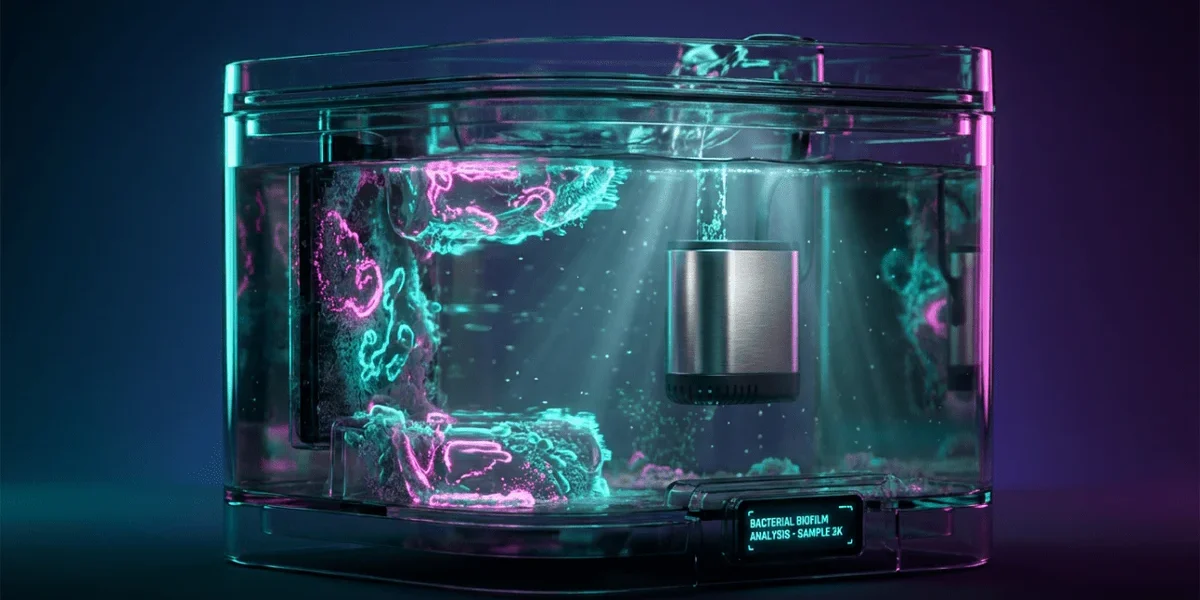
Hygiene & Maintenance Guide — Pet-HydrateIQ
Understanding Biofilm in Pet Fountains
Biofilm is one of the most common — and most misunderstood — issues affecting pet fountains. It appears as a slimy, slippery layer that forms on surfaces exposed to water, especially in areas where saliva, food particles, and bacteria accumulate. Biofilm is not just “dirt” or “slime”; it is a living community of microorganisms protected by a sticky matrix. Once established, biofilm becomes increasingly difficult to remove and can harbor harmful bacteria that affect your pet’s health. Preventing biofilm is essential for keeping your pet’s water clean, fresh, and appealing. This guide explains what biofilm is, why it forms, and how to stop it before it becomes a problem.
1. What Biofilm Is and Why It Forms
Biofilm is a natural biological process — but in a pet fountain, it’s something you want to avoid.
What biofilm is:
- A slimy layer of bacteria, fungi, and microorganisms
- Protected by a sticky coating that helps it adhere to surfaces
- Common in moist environments with organic material
Why it forms in pet fountains?
- Saliva: Pets introduce bacteria every time they drink
- Food particles: Pets that eat near the fountain contaminate the water
- Warm temperatures: Promote bacterial growth
- Standing water: Even circulating water can develop biofilm if not cleaned
- Mineral buildup: Provides a textured surface for bacteria to cling to
Biofilm can form in as little as 48–72 hours if the fountain isn’t cleaned regularly.
2. Why Biofilm Is a Problem for Pets
Biofilm isn’t just unpleasant — it can impact your pet’s health.
- Harbors harmful bacteria such as E. coli, Salmonella, and Pseudomonas
- Affects water taste and smell, discouraging pets from drinking
- Increases the risk of urinary issues due to reduced hydration
- Can irritate the mouth or digestive system
- Strains the pump, reducing fountain lifespan
Preventing biofilm is essential for maintaining safe, appealing water.
3. Early Signs of Biofilm Formation
Biofilm often starts subtly. Watch for:
- Slippery or slimy surfaces
- Pink, orange, or brown discoloration (often Serratia bacteria)
- Cloudy or foamy water
- Pets avoiding the fountain
- Unpleasant or sour smell
- Reduced water flow
If you notice any of these signs, clean the fountain immediately.
4. How to Prevent Biofilm Before It Starts
Prevention is far easier than removal. These habits dramatically reduce biofilm formation.
Clean the Fountain Regularly
- Full cleaning every 5–7 days
- Pump cleaning every 2–4 weeks
- Quick rinse every 1–2 days
Use the Right Cleaning Tools
- Small brushes for tight spaces
- Pipe cleaners for tubing
- Soft sponges for surfaces
- Toothbrushes for corners
Use Filtered or Distilled Water
Filtered water reduces minerals and contaminants that feed biofilm.
Keep the Fountain Away from Food Bowls
Food particles accelerate bacterial growth.
Maintain Proper Water Levels
Low water levels strain the pump and reduce circulation, allowing bacteria to settle.
Replace Filters on Schedule
Old filters trap bacteria and reintroduce them into the water.
5. Deep Cleaning Routine to Remove Biofilm
If biofilm has already formed, follow this thorough cleaning process.
Step‑by‑Step Biofilm Removal
- Unplug the fountain
- Disassemble all parts
- Remove and discard the filter
- Wash all surfaces with warm, soapy water
- Scrub every crevice with a brush
- Soak parts in a vinegar solution (1:1 vinegar to water) for 10–20 minutes
- Rinse thoroughly to remove residue
- Clean the pump housing and impeller
- Reassemble and refill with fresh water
Optional: Baking Soda Scrub
For stubborn slime, a baking soda paste can help remove residue without harsh chemicals.
6. Environmental Factors That Increase Biofilm Growth
Some homes are more prone to biofilm than others.
- Warm climates accelerate bacterial growth
- High humidity increases moisture retention
- Hard water leaves mineral deposits that trap bacteria
- Multi‑pet homes introduce more saliva and debris
- Pets that paw at water stir up contaminants
Adjust cleaning frequency based on your environment.
7. Common Mistakes That Lead to Biofilm
Avoid these pitfalls:
- Cleaning only the bowl, not the pump
- Forgetting to replace filters
- Using harsh chemicals that leave residue
- Letting water sit too long
- Not rinsing soap thoroughly
- Allowing pets to drop toys or food into the fountain
These mistakes create ideal conditions for biofilm.
8. Tips to Keep Water Fresher for Longer
- Use stainless steel or ceramic fountains
- Keep a dedicated cleaning kit
- Set reminders for cleaning and filter changes
- Place the fountain in a cool, shaded area
- Use UV‑sterilizing fountains if available
- Keep the fountain running continuously
Small habits make a big difference.
Final Thoughts
Biofilm is a natural but preventable issue in pet fountains. By maintaining a consistent cleaning routine, using the right tools, and understanding the factors that contribute to bacterial growth, you can keep your pet’s water fresh, safe, and appealing. Preventing biofilm not only protects your pet’s health but also extends the life of your fountain and supports better hydration habits.
Leave a Reply