
Best Cleaning Kits for Pet Fountains: Tools That Work
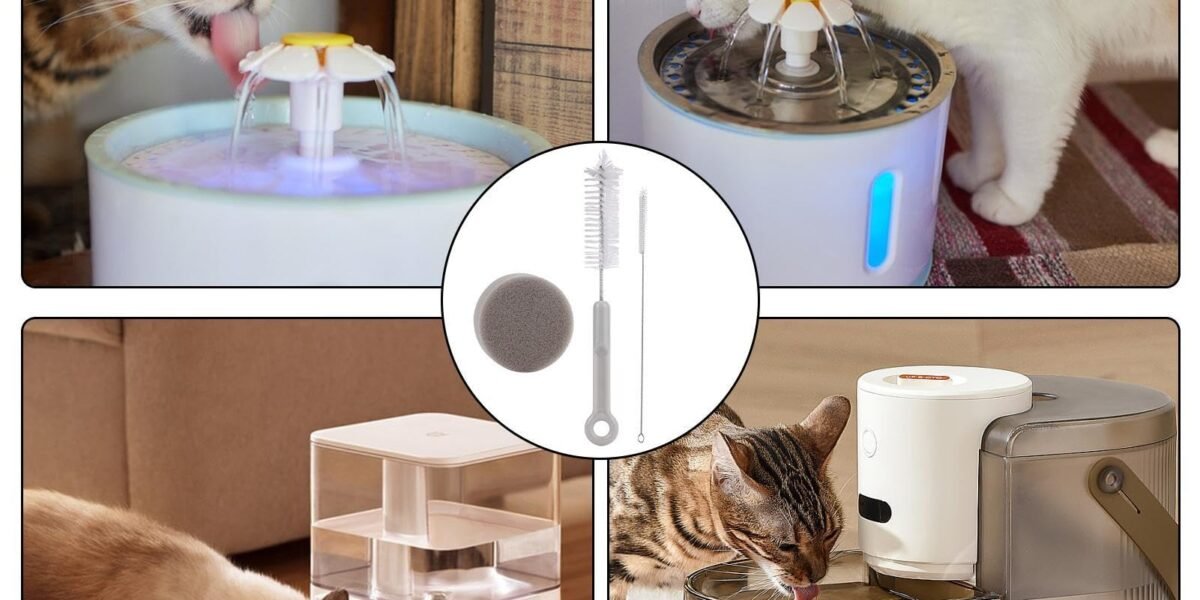
Hygiene & Maintenance Guide — Pet-HydrateIQ
Why Cleaning Kits Matter for Pet Fountain Maintenance
Pet fountains are one of the most effective ways to encourage cats and dogs to drink more water — but they require consistent cleaning to stay safe and functional. Because fountains have multiple components, tight corners, and a pump with small internal parts, regular household sponges aren’t enough to keep them clean. A dedicated cleaning kit makes maintenance easier, faster, and more thorough. The right tools help remove biofilm, mineral deposits, hair, and debris that accumulate in circulating water. This guide explains what makes a good cleaning kit, what tools you actually need, and how to choose the best kit for your fountain and home environment.
1. What Makes a Good Pet Fountain Cleaning Kit?
A proper cleaning kit should include tools designed to reach every part of the fountain — especially the pump, tubing, and crevices where bacteria and slime hide.
Essential features of a good kit:
- Multiple brush sizes for different components
- Soft bristles that won’t scratch plastic or stainless steel
- A long, flexible brush for tubing
- A small impeller brush for pump cleaning
- Non‑slip handles for better control
- Durable materials that won’t shed bristles
- Food‑safe construction to avoid chemical contamination
A kit that includes all of these elements ensures thorough cleaning without damaging the fountain.
2. Types of Tools You’ll Find in Cleaning Kits
Cleaning kits vary, but most include a combination of the following tools. Understanding what each tool does helps you choose the right kit.
Bottle Brush (Large Brush)
- Cleans the main bowl and reservoir
- Removes slime and debris from large surfaces
- Should have soft, flexible bristles
Detail Brush (Medium Brush)
- Ideal for corners, edges, and fountain lids
- Helps remove buildup around spouts and seams
Pipe Cleaner or Tube Brush (Long, Flexible Brush)
- Essential for fountains with tubing
- Reaches deep into narrow channels
- Removes biofilm that forms inside tubes
Pump Impeller Brush (Small Brush)
- Cleans the pump housing and impeller
- Removes hair, slime, and mineral deposits
- Prevents pump noise and flow reduction
Scraper or Sponge Pad
- Helps remove stubborn mineral buildup
- Should be non‑abrasive to avoid scratching
Drying Cloth or Microfiber Towel
- Prevents water spots
- Helps dry components before reassembly
A complete kit includes at least three brush types and a non‑abrasive cleaning pad.
3. Why You Should Avoid Using Regular Household Sponges
Household sponges are not ideal for cleaning pet fountains.
Problems with regular sponges:
- Too large to reach tight spaces
- Hold bacteria even after rinsing
- Can scratch plastic if abrasive
- Don’t clean pump components effectively
- Wear out quickly
Dedicated cleaning tools are more hygienic and more effective.
4. How Cleaning Kits Help Prevent Biofilm and Mineral Buildup
Biofilm and mineral deposits are two of the biggest threats to fountain hygiene.
Cleaning kits help by:
- Reaching areas where biofilm forms first (corners, tubing, pump)
- Removing mineral deposits before they harden
- Preventing pump strain caused by debris
- Keeping water tasting fresh, encouraging pets to drink more
Consistent use of a cleaning kit significantly reduces the risk of slime, odors, and pump failure.
5. How to Use a Cleaning Kit Effectively
A cleaning kit is only useful if you use it correctly. Here’s how to get the most out of it.
Weekly Cleaning Routine
- Unplug the fountain
- Disassemble all parts
- Use the large brush for the bowl and reservoir
- Use the medium brush for lids, spouts, and corners
- Use the tube brush for any tubing
- Use the impeller brush to clean the pump interior
- Rinse thoroughly
- Dry with a microfiber cloth
- Reassemble and refill
Monthly Deep Cleaning
- Soak parts in a vinegar solution to remove mineral buildup
- Scrub stubborn areas with a non‑abrasive pad
- Inspect brushes for wear and replace if needed
6. What to Look for When Choosing a Cleaning Kit
Not all cleaning kits are created equal. Choose one based on:
Fountain Material
- Plastic fountains: Need soft bristles to avoid scratching
- Stainless steel fountains: Can handle firmer bristles
- Ceramic fountains: Require non‑abrasive tools
Fountain Design
- Fountains with tubing require a long, flexible brush
- Multi‑level fountains need multiple brush sizes
- Compact fountains need smaller detail brushes
Number of Pets
More pets = more debris → choose a durable kit with multiple brush types.
Water Quality
Hard water homes need kits with mineral‑removal tools.
7. Common Mistakes When Cleaning Pet Fountains
Avoid these pitfalls:
- Using abrasive brushes that scratch surfaces
- Forgetting to clean the pump
- Not replacing worn brushes
- Using harsh chemicals that leave residue
- Cleaning too infrequently
- Ignoring tubing or small crevices
These mistakes reduce fountain lifespan and water quality.
8. Tips to Extend the Life of Your Cleaning Kit
- Rinse brushes after every use
- Let tools air‑dry completely
- Store in a clean, dry container
- Replace brushes when bristles bend or fray
- Avoid using brushes for anything other than the fountain
Proper care ensures your kit stays effective.
Final Thoughts
A dedicated cleaning kit is one of the most important tools for maintaining a pet fountain. With the right brushes and cleaning accessories, you can prevent biofilm, reduce mineral buildup, protect the pump, and keep your pet’s water fresh and appealing. Choosing a high‑quality kit — and using it consistently — supports better hydration habits and long‑term health for both cats and dogs.
Leave a Reply