
How Often to Change a Pet Fountain Filter?
Hygiene & Maintenance Guide — Pet-HydrateIQ
Why Filter Replacement Matters for Pet Fountains
Pet fountains rely on filters to keep water clean, fresh, and appealing. These filters trap hair, food particles, dust, saliva, and microscopic contaminants that naturally accumulate in circulating water. Over time, filters become saturated, reducing their ability to purify water and maintain flow. A worn‑out filter can cause cloudy water, unpleasant odors, pump strain, and even bacterial growth. Understanding how often to change your pet fountain filter — and what factors influence replacement frequency — ensures your cat or dog always has access to safe, great‑tasting water. Proper filter maintenance also extends the life of your fountain and supports your pet’s hydration and kidney health.
1. General Filter Replacement Guidelines
Most pet fountain filters should be replaced every 2–4 weeks, depending on the type of filter and how heavily the fountain is used.
Standard replacement schedule:
- Carbon filters: Every 2–4 weeks
- Foam or sponge pre‑filters: Every 3–4 weeks (or rinse weekly)
- Multi‑stage filters: Every 3–5 weeks
- Sediment filters: Every 2–3 weeks
- Hard‑water filters: Every 2–4 weeks
These intervals help maintain water clarity, taste, and flow.
2. Types of Pet Fountain Filters
Different fountains use different filtration systems. Knowing what type you have helps determine replacement frequency.
Carbon Filters (Charcoal Filters)
- Improve taste and odor
- Trap chemicals like chlorine
- Most common in cat and dog fountains
- Needs frequent replacement due to saturation
Foam or Sponge Pre‑Filters
- Capture hair, debris, and food particles
- Protect the pump from clogs
- Can be rinsed weekly and replaced monthly
Multi‑Stage Filters
Often include:
- Carbon layer
- Cotton mesh
- Ion‑exchange resin
- Sediment layer
These provide deeper filtration but still require regular replacement.
Hard‑Water Filters
- Reduce mineral deposits
- Help prevent scale buildup
- Essential in homes with hard water
Understanding your filter type ensures proper maintenance.
3. Signs Your Filter Needs to Be Changed Sooner
Even with a schedule, your filter may need replacement earlier. Watch for:
- Cloudy or murky water
- Reduced water flow
- Unpleasant or metallic smell
- Visible debris trapped in the filter
- Pets avoiding the fountain
- Pump noise increasing
- Foam or slime forming on surfaces
If you notice any of these signs, replace the filter immediately.
4. Factors That Affect Filter Lifespan
Not all fountains or homes are the same. Several variables influence how long a filter lasts.
Number of Pets
More pets = more saliva, debris, and hair → faster filter saturation.
Pet Behavior
- Dogs that drool
- Cats that paw at water
- Pets that eat near the fountain
These habits introduce more contaminants.
Water Quality
- Hard water: Causes mineral buildup and shortens filter life
- Soft water: May still contain sediment or chlorine
- Well water: Often requires more frequent filter changes
Fountain Size and Flow Rate
Larger fountains circulate more water, which can wear out filters faster.
Seasonal Changes
- Summer: more shedding and bacteria growth
- Winter: indoor heating increases dust
Adjusting replacement frequency based on these factors keeps water fresh.
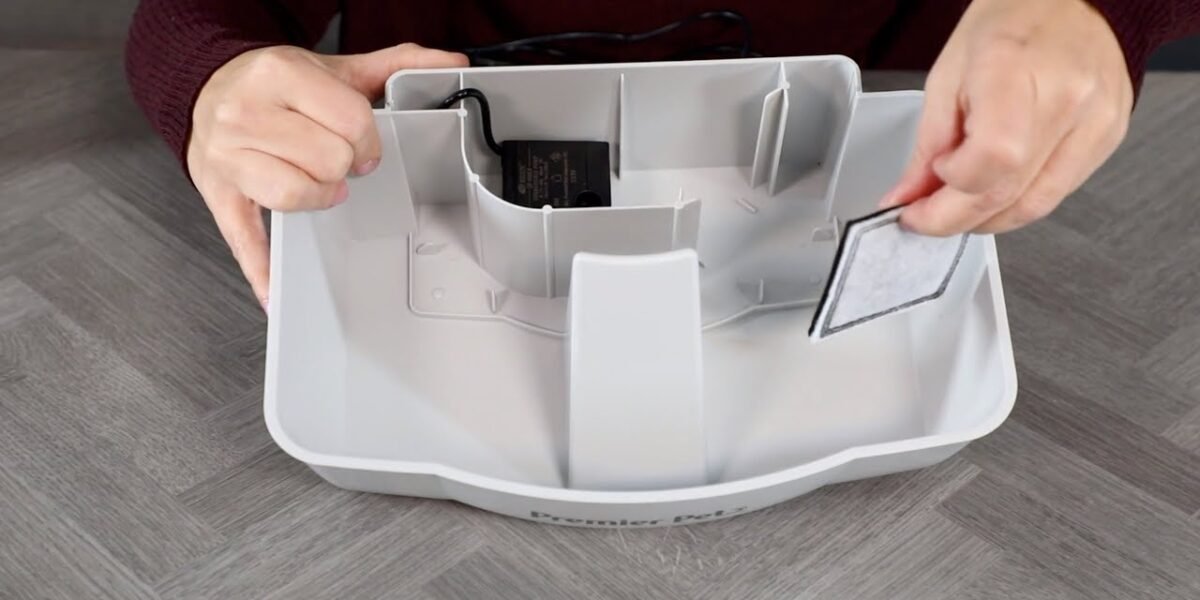
5. How to Replace a Pet Fountain Filter Properly
A proper replacement routine ensures optimal performance.
Step‑by‑Step Process
- Unplug the fountain
- Disassemble the unit
- Remove the old filter
- Rinse the new filter under cold water (removes carbon dust)
- Insert the filter according to manufacturer’s instructions
- Clean the fountain before reassembly
- Refill with fresh water
- Plug in and check the flow rate
Important Tips
- Never reuse disposable filters
- Always rinse new filters before use
- Replace filters even if they “look clean” — internal saturation isn’t visible
6. How Filter Maintenance Impacts Pet Health
Clean filters directly support hydration and wellness.
- Improves taste, encouraging pets to drink more
- Reduces bacteria, lowering the risk of illness
- Prevents urinary issues caused by low water intake
- Supports kidney health by ensuring consistent hydration
- Keeps water oxygenated and appealing
A fresh filter = better hydration habits.
7. Common Mistakes Owners Make
Avoid these pitfalls:
- Forgetting to rinse new filters
- Waiting until the water looks dirty
- Using tap water with heavy minerals without adjusting the frequency
- Ignoring pump maintenance
- Reusing old filters
- Not tracking replacement dates
These mistakes reduce water quality and strain the pump.
8. Tips to Extend Filter Life
- Use filtered or distilled water
- Keep the fountain away from food bowls
- Rinse pre‑filters weekly
- Clean the pump regularly
- Keep pets from dropping toys or food into the fountain
- Maintain a consistent cleaning schedule
Small habits can significantly improve filter performance.
Final Thoughts
Changing your pet fountain filter regularly is essential for maintaining clean, fresh water that encourages healthy hydration. By following a consistent replacement schedule — and adjusting based on your home, pets, and water quality — you ensure your pet always has access to safe, appealing water. Proper filter maintenance supports kidney health, reduces urinary risks, and extends the life of your fountain.
Leave a Reply