
Best Water Test Kits for Pet Owners: Test Your Pet’s Drinking Water
Water Quality Guide — Pet-HydrateIQ
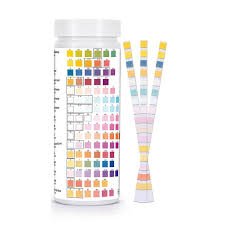
Water quality plays a major role in your pet’s hydration, kidney health, and long‑term wellness. But unless you test your water, you’re essentially guessing what’s in your pet’s bowl. Contaminants like hard minerals, chlorine, heavy metals, and bacteria can affect taste, hydration habits, and even urinary health — especially in sensitive pets.
This guide breaks down the best water test kits for pet owners, what each one measures, and how to choose the right kit for your home.
Why Test Your Pet’s Water?
Pets drink from the same water source every day. If that water contains contaminants, they’re exposed continuously.
Testing helps you identify:
- Hardness levels (calcium & magnesium)
- Chlorine & chloramine
- Heavy metals (lead, copper, iron)
- pH balance
- Nitrates & nitrites
- Bacteria
- Total dissolved solids (TDS)
These factors influence:
- Hydration habits
- Kidney function
- Urinary health
- Fountain performance
- Taste & smell
Testing gives you a clear picture of what your pet is drinking — and whether filtration is needed.
What to Look for in a Water Test Kit
Before choosing a kit, consider:
1. What contaminants do you want to measure
For pets, the most important are:
- Hardness
- Chlorine
- Heavy metals
- pH
- Bacteria
2. Accuracy
Look for:
- EPA‑standard testing
- Lab‑verified results
- Clear color charts
3. Ease of use
Some kits are dip‑and‑read; others require mailing samples to a lab.
4. Turnaround time
Instant tests are convenient; lab tests are more accurate.
5. Price
Ranges from $15 to $300 depending on the depth of analysis.
The Best Water Test Kits for Pet Owners
Below are the top test kits based on accuracy, ease of use, and relevance to pet health.
1. Safe Home Premium Water Test Kit
Best Overall for Pet Owners
What it tests:
- 50+ contaminants
- Hardness
- Heavy metals
- Nitrates/nitrites
- pH
- Chlorine
- Bacteria (in some versions)
Why it’s great for pets:
- Extremely accurate
- Lab‑verified results
- Detects contaminants that affect urinary and kidney health
Best for:
Pet owners who want a complete picture of water quality.
2. Test Assured Drinking Water Test Kit
Best Budget Option
What it tests:
- Hardness
- pH
- Chlorine
- Iron
- Copper
- Nitrates/nitrites
Why it’s great for pets:
- Covers the most common pet‑relevant contaminants
- Easy dip‑and‑read strips
- Affordable
Best for:
Quick home testing and routine monitoring.
3. JNW Direct Water Hardness Test Strips
Best for Hard Water
What it tests:
- Hardness only (calcium & magnesium)
Why it’s great for pets:
- Hard water affects taste, hydration, and urinary health
- Helps diagnose fountain limescale issues
Best for:
Homes with visible mineral buildup.
4. Tap Score by SimpleLab
Most Accurate (Professional Lab Test)
What it tests:
- 100+ contaminants
- Heavy metals
- VOCs
- Microplastics
- Bacteria
- Hardness
- Chlorine/chloramine
Why it’s great for pets:
- Gold‑standard accuracy
- Detailed health impact reports
- Identifies contaminants that affect kidney and urinary health
Best for:
Pet owners with well water or older plumbing.
5. TDS Meter (Total Dissolved Solids)
Best for Quick Monitoring
What it tests:
- Total dissolved solids (minerals, salts, metals)
Why it’s great for pets:
- Helps monitor filter performance
- Indicates when fountain filters need replacing
- Useful for RO systems
Best for:
Tracking water quality changes over time.
Which Test Kit Should You Choose?
Best Overall:
Safe Home Premium — comprehensive and pet‑focused.
Best for Hard Water:
JNW Hardness Strips
Best for Accuracy:
Tap Score Lab Test
Best Budget Option:
Test Assured Drinking Water Kit
Best for Monitoring Filters:
TDS Meter
How Often Should You Test Your Water?
Municipal water:
Once per year
Well water:
Twice per year
If you notice:
- Limescale buildup
- Cloudy water
- Metallic taste
- Pet drinking less
- Fountain pump issues
Test immediately.
FAQ: Water Testing for Pets
Do pets need filtered water?
Filtered water improves taste and reduces contaminants — most pets benefit.
Is hard water bad for pets?
It can contribute to urinary issues in sensitive pets.
Do I need a bacterial test?
Yes, if you use well water or notice slime/biofilm.
Is RO water safe for pets?
Yes — it’s one of the cleanest water sources available.
Final Thoughts
Testing your water is one of the simplest ways to ensure your pet is drinking safely. Whether you choose a quick dip‑strip test or a full lab analysis, understanding your water quality helps you make informed decisions about filtration, fountains, and hydration.
Leave a Reply