
Signs of Dehydration in Cats: Early Warning Signs & What to Do
Hydration Science Guide — Pet-HydrateIQ
Understanding Dehydration in Cats
Cats are naturally low‑thirst animals, a trait inherited from their desert‑dwelling ancestors who obtained most of their moisture from prey. While this evolutionary adaptation once helped them survive in arid environments, it creates challenges in modern homes where cats often rely on dry kibble and may not drink enough water on their own. Dehydration in cats can develop gradually and go unnoticed because cats instinctively hide discomfort. Even mild dehydration can strain the kidneys, increase the risk of urinary crystals, and contribute to long‑term health issues. Recognizing the early signs — and understanding the causes and risk factors — helps owners intervene before dehydration becomes dangerous.
1. Physical Signs to Watch For
Physical symptoms are often the most noticeable indicators of dehydration, but they can be subtle.
- Skin Tenting: Gently lift the skin at the scruff. In a well‑hydrated cat, it snaps back quickly. Slow return indicates dehydration.
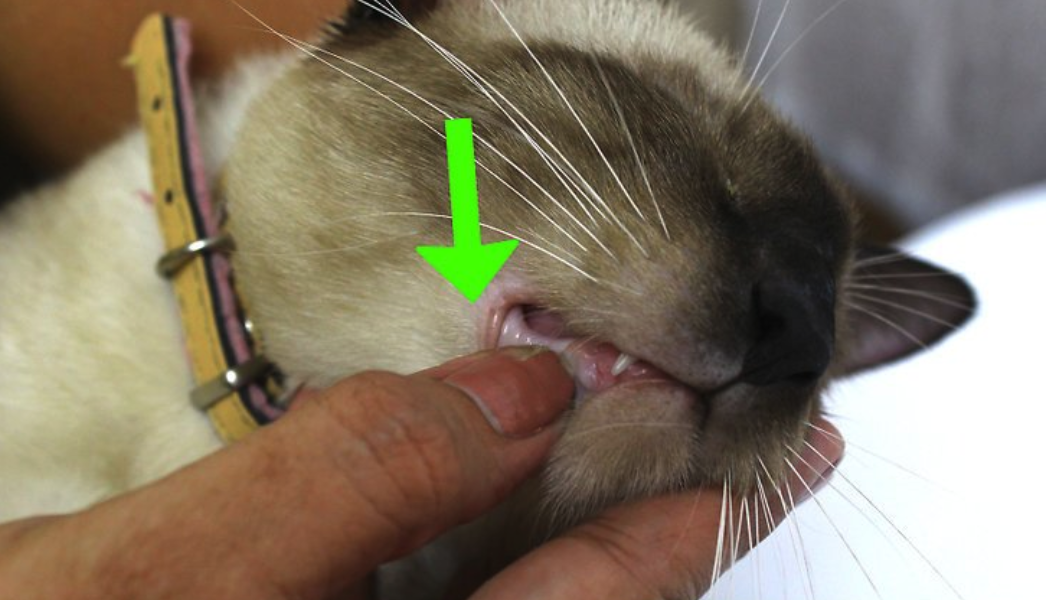
- Dry or Tacky Gums: Healthy gums should be moist and slick. Sticky gums suggest fluid loss.
- Sunken or Dull Eyes: Dehydrated cats may have recessed eyes or a tired, withdrawn expression.
- Panting: Cats rarely pant unless overheated or dehydrated, making this a significant warning sign.
- Dry Nose: While not always reliable, a consistently dry nose can accompany dehydration.
These physical signs often appear together, especially in moderate to severe dehydration.
2. Behavioral Changes
Cats communicate discomfort through behavior more than vocalization. Dehydration often leads to:
- Lethargy or reduced activity
- Less interest in food
- Avoiding play or social interaction
- Seeking cool surfaces like tile floors or bathtubs
- Increased irritability or hiding
- Reduced grooming, leading to a dull or unkempt coat
Behavioral changes frequently appear before physical symptoms, making them important to monitor.
3. Litter Box Indicators
Because cats use litter boxes, owners have a unique opportunity to monitor hydration through urine and stool.
- Darker, more concentrated urine
- Less frequent urination
- Smaller clumps in clumping litter
- Dry or hard stool, which often accompanies dehydration
- Straining or discomfort, which may indicate urinary issues worsened by dehydration
Changes in litter box habits are among the most reliable early warning signs.
4. Common Causes of Dehydration
Understanding why dehydration occurs helps prevent it.
- Hot weather or low indoor humidity
- Illness such as vomiting, diarrhea, or fever
- Kidney disease or urinary issues
- Stress or environmental changes
- Low‑moisture diets (dry kibble only)
- Post‑surgery recovery
- Medications that increase fluid loss
- Dental pain, which can make drinking uncomfortable
Cats with chronic conditions are especially vulnerable.
5. Risk Factors That Increase Vulnerability
Some cats are more prone to dehydration than others.
- Senior cats naturally drink less and may have declining kidney function
- Cats with dental disease may avoid drinking
- Flat‑faced breeds (Persians, Himalayans) may struggle with certain bowl shapes
- Multi‑cat homes may have competition around water sources
- Cats with anxiety may avoid bowls placed in busy or noisy areas
- Cats fed exclusively dry food must drink significantly more water to compensate
Recognizing these risk factors helps owners create a more hydration‑friendly environment.
6. How to Check Hydration at Home
Simple at‑home checks can help you monitor hydration daily.
- Gum moisture test
- Skin tent test
- Monitoring urine color
- Tracking water bowl levels
- Observing energy and appetite
- Weighing your cat regularly, as dehydration can cause rapid weight loss
These checks are especially important for senior cats or cats with kidney disease.
7. How to Rehydrate Safely
- Offer fresh water in multiple locations
- Add wet food or water/broth to meals
- Use a pet fountain to encourage drinking
- Keep bowls clean and away from litter boxes
- Provide wide, shallow bowls to reduce whisker fatigue
- Offer low‑sodium broth as an occasional hydration boost
- Consult a vet if symptoms persist for more than 24 hours
8. When to See a Veterinarian
Seek veterinary care immediately if you notice:
- Persistent vomiting or diarrhea
- Refusal to drink for 24+ hours
- Severe lethargy or collapse
- Very dark urine or no urination
- Rapid breathing or panting
- Signs of pain when using the litter box
Dehydration can escalate quickly, especially in older cats or those with chronic conditions.
Final Thoughts
Dehydration in cats is subtle but potentially dangerous. By monitoring physical signs, behavior, and litter box habits — and by providing appealing, accessible water sources — you can help your cat stay hydrated and protect their long‑term kidney and urinary health. Small changes in daily hydration can make a significant difference in your cat’s overall well‑being.
Leave a Reply