
How Much Water Pets Need Daily: Hydration Guidelines for Cats & Dogs
Hydration Science Guide — Pet-HydrateIQ
Understanding Daily Water Needs
Water is essential for every biological function in pets — from digestion and circulation to temperature regulation and waste removal. Yet many owners underestimate how much water their pets actually need each day. Hydration requirements vary by species, size, diet, activity level, and environmental conditions. Cats and dogs also differ in their natural thirst drives, with cats being far less inclined to drink on their own. Understanding how much water pets need daily helps prevent dehydration, urinary issues, kidney strain, and long‑term health complications. This guide breaks down species‑specific needs, influencing factors, and practical ways to ensure your pet stays properly hydrated.
1. How Much Water Dogs Need
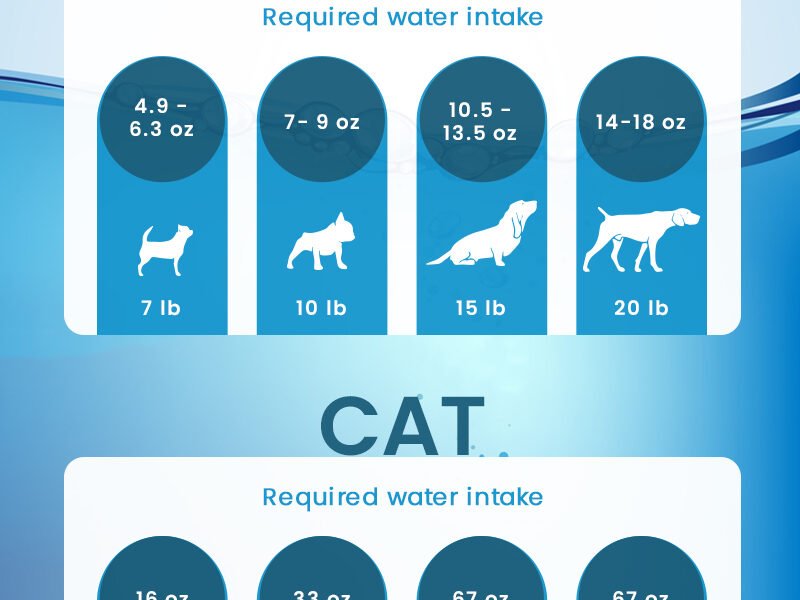
Dogs generally require 1 ounce of water per pound of body weight per day. Examples:
- A 10 lb dog → ~10 oz/day
- A 50 lb dog → ~50 oz/day
- A 90 lb dog → ~90 oz/day
However, this is only a baseline. Several factors can increase a dog’s water needs:
- Activity level: Active dogs may need 2–3× more water, especially during exercise.
- Weather: Hot or humid conditions dramatically increase water loss through panting.
- Age: Puppies dehydrate faster and need more frequent access to water.
- Diet: Dogs on dry kibble require more water than those eating wet food.
- Health conditions: Dogs with kidney disease, diabetes, or gastrointestinal issues may need increased hydration.
Monitoring your dog’s daily intake helps ensure they meet their needs consistently.
2. How Much Water Cats Need
Cats typically require 3.5–4.5 ounces of water per 5 lbs of body weight per day. Examples:
- A 10 lb cat → ~7–9 oz/day
- A 15 lb cat → ~10–13 oz/day
Cats are naturally low‑thirst animals, which means they often fail to meet their hydration needs without owner intervention. Diet plays a major role:
- Dry food: Only ~10% moisture. Cats must drink significantly more water to compensate.
- Wet food: ~70–80% moisture. Cats may drink less because they get hydration from their meals.
Cats fed primarily dry food are at higher risk of chronic dehydration, urinary crystals, and kidney strain.
3. Factors That Increase Water Requirements
Daily water needs are not static. They change based on lifestyle, environment, and health.
- Hot or humid weather
- Exercise and play
- Stress or travel
- Illness (vomiting, diarrhea, fever)
- High‑sodium treats or diets
- Pregnancy or lactation
- Chronic kidney disease or urinary issues
- Indoor heating in winter, which reduces humidity
Understanding these factors helps owners adjust water availability proactively.
4. How to Tell If Your Pet Is Drinking Enough
Signs of adequate hydration include:
- Consistent urine output
- Pale yellow urine
- Normal energy levels
- Moist gums
- Regular drinking throughout the day
- Healthy skin elasticity
- Normal appetite
If you notice darker urine, lethargy, dry gums, or reduced drinking, your pet may not be meeting their daily hydration needs.
5. How Diet Influences Hydration
Diet is one of the biggest determinants of daily water intake.
- Dry kibble: Low moisture; pets must drink more water.
- Wet food: High moisture; supports hydration naturally.
- Raw diets: Moisture varies; some pets still need additional water.
- High‑protein diets: Increase metabolic waste, requiring more water for filtration.
- High‑sodium treats: Increase thirst and water needs.
For cats, especially, adding moisture to meals can significantly improve hydration.
6. Environmental and Lifestyle Considerations
Your pet’s surroundings influence how much water they need.
- Indoor heating dries out the air, increasing water loss.
- Outdoor pets may need more water due to temperature fluctuations.
- Multi‑pet homes may require multiple water stations to reduce competition.
- Long‑haired breeds may overheat more easily.
- Working dogs (herding, agility, service dogs) have higher hydration demands.
Adjusting water access based on environment helps prevent dehydration.
7. Tips to Help Pets Meet Their Daily Needs
- Provide multiple water stations around the home
- Use pet fountains to encourage drinking
- Add water or broth to meals
- Offer wet food (especially for cats)
- Keep bowls clean and filled with fresh water
- Use stainless steel or ceramic bowls to avoid odors
- Refresh water at least twice daily
- Bring water on walks, hikes, and car rides
Small changes can significantly improve hydration habits.
8. When to See a Veterinarian
Seek veterinary advice if your pet:
- Drinks excessively or barely drinks at all
- Shows signs of dehydration
- Has vomiting or diarrhea lasting more than 24 hours
- Produces very dark urine
- Has sudden changes in thirst or urination
- Has a chronic condition affecting hydration
Sudden changes in drinking habits can indicate underlying health issues.
Final Thoughts
Daily hydration needs vary widely among pets, but most benefit from more water access than they currently receive. By understanding species‑specific requirements, monitoring intake, and offering clean, appealing water sources, you can support your pet’s kidney health, urinary function, and overall well‑being. Hydration is one of the simplest yet most powerful ways to improve your pet’s long‑term health.
Leave a Reply