
Pet Fountain Pump Troubleshooting: Fix Flow & Noise Issues
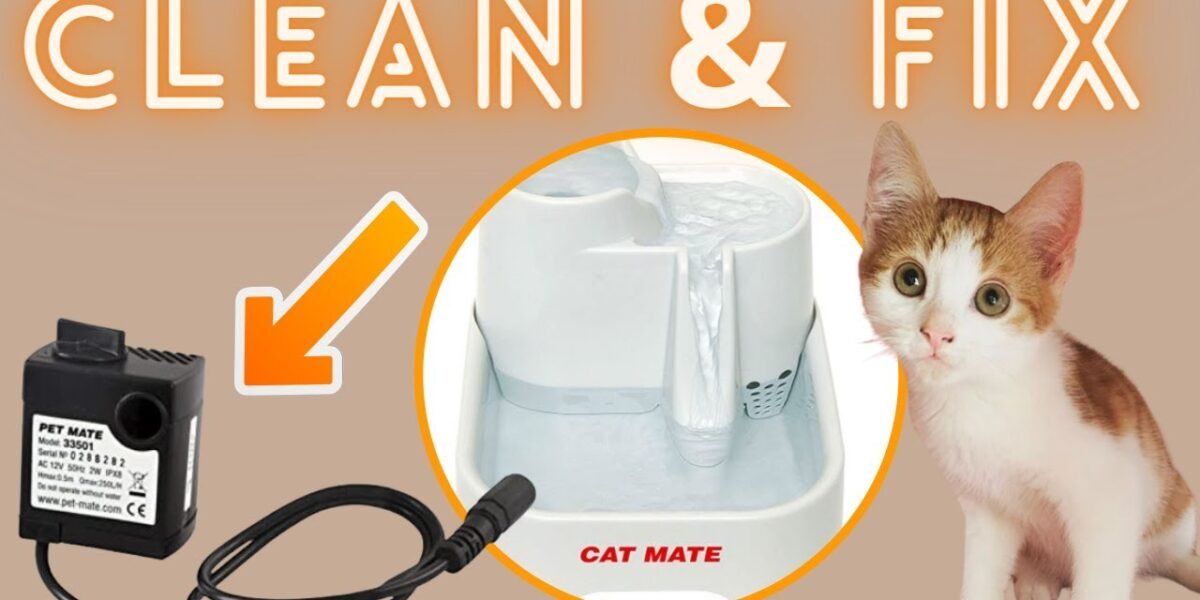
Hygiene & Maintenance Guide — Pet-HydrateIQ
Why Pump Troubleshooting Matters for Pet Fountains
The pump is the heart of every pet fountain. It keeps water circulating, oxygenated, and appealing to both cats and dogs. When the pump stops working properly — whether it becomes noisy, weak, clogged, or stops running altogether — the entire fountain becomes ineffective. Stagnant water can quickly develop slime, odors, and biofilm, discouraging pets from drinking and increasing the risk of dehydration or urinary issues. Understanding how to troubleshoot common pump problems helps you maintain a clean, functional fountain and extend the life of the pump. This guide walks you through the most frequent issues, their causes, and how to fix them safely and effectively.
1. Common Signs of Pump Problems
Pump issues often start subtly. Watch for:
- Reduced water flow
- Weak or inconsistent stream
- Grinding or rattling noises
- Pump vibrating excessively
- Water is not circulating at all
- Pump shutting off intermittently
- Pets avoiding the fountain
These symptoms usually indicate clogs, debris buildup, low water levels, or pump wear.
2. Why Pet Fountain Pumps Stop Working
Pump problems are usually caused by one of a few predictable factors.
Low Water Levels
If the water level drops too low, the pump begins sucking air instead of water. This causes:
- Noise
- Overheating
- Premature pump failure
Debris and Hair Buildup
Pet hair, dust, and food particles can clog the pump intake.
Biofilm Formation
Slime inside the pump housing slows the impeller and reduces flow.
Mineral Deposits
Hard water leaves scale that restricts movement and damages components.
Old or Worn Impeller
The impeller — the spinning part inside the pump — wears down over time.
Electrical Issues
Loose plugs, damaged cords, or faulty outlets can interrupt power.
Understanding the cause helps you choose the right fix.
3. Step‑by‑Step Pump Troubleshooting Guide
Follow these steps to diagnose and fix most pump issues.
Step 1: Check the Water Level
- Ensure the fountain is filled to the recommended line
- Add water if the pump is exposed or noisy
- Never let the pump run dry
Step 2: Unplug and Disassemble the Pump
- Remove the pump from the fountain
- Open the pump housing
- Take out the impeller (usually a small magnetic rotor)
Step 3: Clean the Pump Thoroughly
Use a small brush or an impeller brush to clean:
- Pump housing
- Impeller chamber
- Impeller blades
- Intake vents
Rinse thoroughly to remove soap residue.
Step 4: Remove Mineral Deposits
If you see white or chalky buildup:
- Soak pump parts in a vinegar solution (1:1 vinegar to water)
- Scrub gently with a soft brush
- Rinse well before reassembly
Step 5: Reassemble and Test
- Put the impeller back
- Close the pump housing
- Reinstall the pump in the fountain
- Refill with fresh water
- Plug in and check the flow
If the pump still struggles, move to the next section.
4. When the Pump Is Noisy
A noisy pump is one of the most common complaints.
Causes of pump noise:
- Low water level
- Air trapped inside the pump
- Debris in the impeller
- Pump not seated properly
- Mineral buildup
How to fix it:
- Add water to submerge the pump
- Tilt the fountain slightly to release trapped air
- Clean the pump thoroughly
- Ensure the pump is sitting flat and secure
- Remove mineral deposits
A properly cleaned and seated pump should run quietly.
5. When the Pump Has Weak or No Flow
If water isn’t circulating properly:
Possible causes:
- Clogged intake vents
- Dirty impeller
- Old filter restricting flow
- Blocked tubing or spout
- Pump speed setting too low
Solutions:
- Clean the pump
- Replace the filter
- Check tubing for blockages
- Adjust the flow control slider
- Ensure the fountain is level
Weak flow is almost always fixable with cleaning.
6. When the Pump Stops Working Completely
If the pump won’t turn on:
Check the following:
- Is it plugged in securely?
- Is the outlet working?
- Is the cord damaged?
- Is the pump overheated from running dry?
- Is the impeller stuck?
Fixes:
- Try a different outlet
- Let the pump cool for 30 minutes
- Clean the impeller to free it
- Replace the pump if the motor has burned out
Most pumps last 1–2 years with proper maintenance.
7. How to Prevent Pump Problems
Preventive care is the best troubleshooting strategy.
- Clean the pump every 2–4 weeks
- Replace filters on schedule
- Keep water levels topped up
- Use filtered or distilled water
- Keep the fountain away from food bowls
- Remove hair and debris daily
- Deep clean monthly to prevent mineral buildup
These habits dramatically extend pump lifespan.
8. When to Replace the Pump
Replace the pump if:
- It remains noisy after cleaning
- Flow does not improve
- The impeller is cracked or worn
- The motor overheats frequently
- The pump stops working entirely
A new pump is often cheaper than replacing the entire fountain.
Final Thoughts
A well‑maintained pump keeps your pet fountain running smoothly, ensuring your cat or dog always has access to clean, circulating water. By understanding common pump issues — and knowing how to troubleshoot them — you can prevent breakdowns, extend the life of your fountain, and support healthier hydration habits. Regular cleaning, proper water levels, and timely filter changes are the keys to keeping your pump quiet, efficient, and reliable.
Leave a Reply