
Why Cats Prefer Running Water: Instincts, Behavior & Hydration Tips
Hydration Science Guide — Pet-HydrateIQ
Understanding a Cat’s Preference for Moving Water
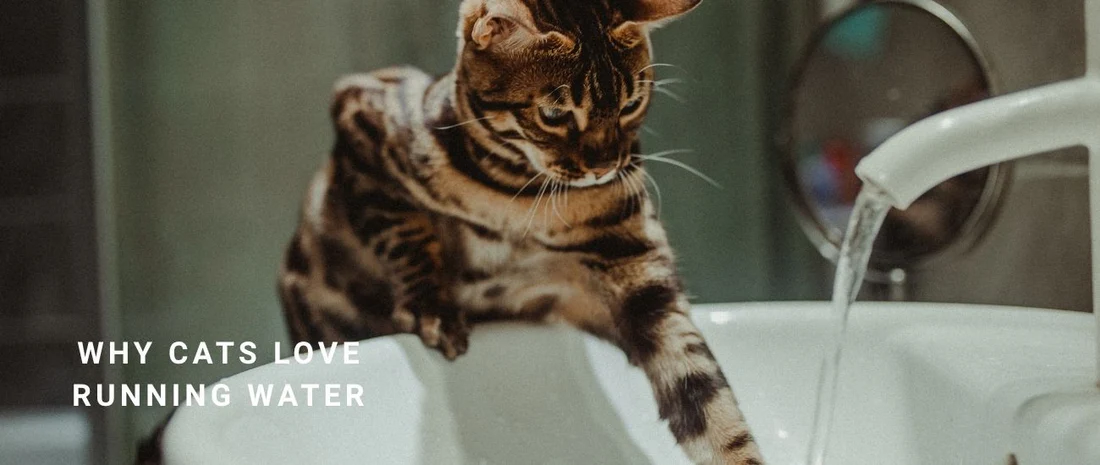
Cats have a long evolutionary history that shapes their hydration habits today. As descendants of desert‑dwelling hunters, cats developed a low thirst drive and relied heavily on the moisture content of prey rather than frequent drinking. In the wild, running water was safer, fresher, and less likely to contain harmful bacteria. These instincts persist in modern domestic cats, influencing how they interact with water sources in the home. Many cats show a clear preference for running water over still water in bowls, and understanding why can help owners encourage healthier hydration habits. This guide explores the sensory, behavioral, and environmental factors behind this preference — and how to support it effectively.
1. Evolutionary Instincts
Cats’ attraction to running water is deeply rooted in survival instincts.
- Running water signals freshness: In nature, moving water is less likely to be contaminated with bacteria, parasites, or debris.
- Still water appears risky: Stagnant pools can harbor pathogens, so cats instinctively avoid them.
- Low thirst drive: Cats evolved to obtain moisture from prey, not from drinking, making them selective about water sources.
- Preference for cool water: Flowing water stays cooler, which cats find more appealing.
These instincts explain why many cats ignore bowls but eagerly drink from faucets or fountains.
2. Sensory Advantages of Flowing Water
Cats rely heavily on their senses to evaluate water safety.
- Better visibility: Cats have difficulty seeing still water due to their visual acuity. Movement creates ripples and reflections that make water easier to detect.
- Sound cues: The trickling sound of running water helps cats locate it without relying solely on sight.
- Temperature preference: Flowing water tends to stay cooler, which cats associate with freshness.
- Taste differences: Running water may taste better because it is oxygenated and less likely to pick up odors from bowls.
These sensory cues reinforce the instinctive preference for moving water.
3. Behavioral Reasons Cats Avoid Bowls
Beyond instinct, several behavioral factors influence how cats interact with water bowls.
- Whisker fatigue: Deep or narrow bowls can overstimulate whiskers, causing discomfort.
- Bowl placement issues: Cats avoid water placed too close to food or litter, as this feels unnatural to them.
- Taste sensitivity: Plastic bowls can retain odors that deter drinking.
- Stagnant water aversion: Cats may avoid water that has been sitting too long or contains dust or debris.
These factors can significantly reduce a cat’s daily water intake.
4. Environmental and Lifestyle Influences
Your home environment can affect how much water your cat drinks.
- Multi‑cat homes: Competition or territorial behavior may discourage some cats from approaching shared bowls.
- Noisy or high‑traffic areas: Cats may avoid water sources placed in stressful locations.
- Temperature changes: Warm indoor temperatures can increase hydration needs.
- Bowl cleanliness: Cats are sensitive to odors and may avoid bowls that aren’t cleaned regularly.
Optimizing the environment can make a noticeable difference in hydration habits.
5. Benefits of Pet Fountains
Pet fountains mimic the qualities of running water that cats naturally prefer.
- Encourages more frequent drinking
- Filters out debris and improves taste
- Keeps water oxygenated and cool
- Reduces the risk of dehydration and urinary issues
- Provides sensory stimulation that appeals to curious cats
For many cats, fountains are the single most effective way to increase daily water intake.
6. How to Support Your Cat’s Natural Preferences
- Use a pet fountain with continuous flow
- Keep water fresh and filtered
- Place water stations away from food bowls
- Offer multiple water sources around the home
- Choose wide, shallow bowls if using still water
- Clean bowls and fountains regularly to remove odors
- Refresh water at least once or twice daily
These small adjustments can significantly improve hydration.
7. When to Consider Veterinary Advice
If your cat consistently avoids drinking or shows signs of dehydration, consult a veterinarian. Seek advice if you notice:
- Persistent lethargy
- Dark or concentrated urine
- Dry gums or a tacky mouth
- Reduced appetite
- Vomiting or diarrhea
- Signs of urinary discomfort
Cats with kidney disease, urinary crystals, or chronic dehydration may require specialized hydration plans.
Final Thoughts
Cats are instinctively drawn to running water because it feels fresher, safer, and easier to sense. By understanding these natural preferences and providing appealing water sources — such as fountains, clean bowls, and well‑placed hydration stations — you can support healthier drinking habits and reduce the risk of dehydration and urinary problems. Encouraging proper hydration is one of the simplest and most effective ways to support your cat’s long‑term health.
Leave a Reply