
Understanding Water Hardness for Pet Owners: Effects & Solutions
Water Quality Guide — Pet-HydrateIQ
Water hardness is one of the most common — and most misunderstood — water quality factors affecting pets. While hard water is generally safe for humans, it can influence your pet’s hydration habits, urinary health, and even the performance of pet fountains.
This guide breaks down what water hardness is, how it affects pets, how to measure it, and what you can do to manage it at home.
What Is Water Hardness?
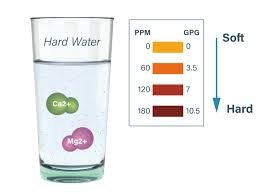
Water hardness refers to the concentration of dissolved minerals in water, primarily:
- Calcium (Ca²⁺)
- Magnesium (Mg²⁺)
These minerals naturally occur in groundwater and vary widely by region.
Hardness Levels (Standard Scale)
| Hardness Level | ppm (mg/L) | gpg (grains per gallon) |
|---|---|---|
| Soft | 0–60 ppm | 0–3.5 gpg |
| Moderately Hard | 61–120 ppm | 3.6–7 gpg |
| Hard | 121–180 ppm | 7.1–10.5 gpg |
| Very Hard | 180+ ppm | 10.6+ gpg |
If you see white residue on faucets, bowls, or fountains, you likely have hard water.
Why Water Hardness Matters for Pets
Water hardness affects pets in three major ways:
1. Taste & Drinking Behavior
Hard water can taste:
- Metallic
- Chalky
- Bitter
Pets — especially cats — may drink less when water tastes “off,” which can lead to:
- Mild dehydration
- Concentrated urine
- Increased urinary crystal risk
Hydration is foundational to pet health, so taste matters more than most owners realize.
2. Urinary & Kidney Health
While hard water is generally safe, it may contribute to urinary issues in sensitive pets.
Higher‑risk pets include:
- Cats prone to urinary crystals
- Pets with chronic kidney disease
- Pets with diabetes
- Senior pets
- Pets on dry food only
Hard water minerals can increase urinary mineral load, especially in cats.
3. Pet Fountain Performance
Hard water causes:
- Limescale buildup
- Clogged filters
- Reduced pump flow
- Noisy operation
- Shortened pump lifespan
This affects both water quality and your pet’s willingness to drink.
How to Tell If You Have Hard Water
Common signs:
- White residue on bowls or fountains
- Cloudy water after sitting
- Mineral spots on stainless steel
- Reduced fountain flow
- Soap that doesn’t lather easily
- White crust around faucets
Best ways to confirm:
- Hardness test strips
- Full water test kits
- TDS meter (for general mineral load)
- Municipal water report
Is Hard Water Safe for Pets?
For most healthy pets:
Yes — hard water is generally safe.
For sensitive pets:
Hard water may contribute to:
- Urinary crystals
- Kidney stress
- Reduced hydration
- Taste aversion
Filtered water is recommended for these pets.
How to Manage Water Hardness at Home
Here are the most effective ways to reduce hardness and improve water quality for your pet.
1. Use a Filtered Water Source
Best options:
- Carbon + ion‑exchange pitcher filters
- Reverse osmosis (RO) systems
- Under‑sink filtration
- Fountain filters with resin media
Ion‑exchange resin specifically reduces hardness minerals.
2. Use a Pet Fountain With Multi‑Stage Filtration
Fountains improve:
- Taste
- Freshness
- Circulation
- Filtration
Look for filters that include:
- Activated carbon
- Ion‑exchange resin
- Fine mesh screens
3. Clean Bowls & Fountains Frequently
Hard water accelerates:
- Biofilm growth
- Mineral buildup
- Pump wear
Cleaning schedule:
- Bowls: every 1–2 days
- Fountains: every 5–7 days
- Pump: every 2–4 weeks
4. Avoid Sodium‑Based Water Softeners
These systems replace hardness minerals with sodium, which is not ideal for pets.
Use RO or carbon + resin instead.
5. Test Your Water Regularly
Test for:
- Hardness
- pH
- Heavy metals
- Chlorine
- Nitrates/nitrites
This helps you choose the right filtration method.
FAQ: Water Hardness & Pets
Is hard water bad for pets?
Generally safe, but may affect sensitive pets.
Can hard water cause urinary crystals?
It may contribute, especially in cats.
Should I use filtered water for my pet?
Yes — it improves taste and reduces mineral load.
Is RO water safe for pets?
Yes — it’s one of the cleanest water sources available.
Do fountains help with hardness?
Partially — only if they include ion‑exchange resin.
Final Thoughts
Water hardness is one of the most common water quality issues affecting pets. While generally safe, it can influence hydration habits, urinary health, and fountain performance. By understanding your water hardness level and using simple filtration methods, you can ensure your pet always has access to clean, great‑tasting water that supports long‑term wellness.
Leave a Reply