
Hydration for Pets with Kidney Disease: Diet & Care Tips
Nutrition & Hydration Science Guide — Pet-HydrateIQ
Why Hydration Is Critical for Pets with Kidney Disease
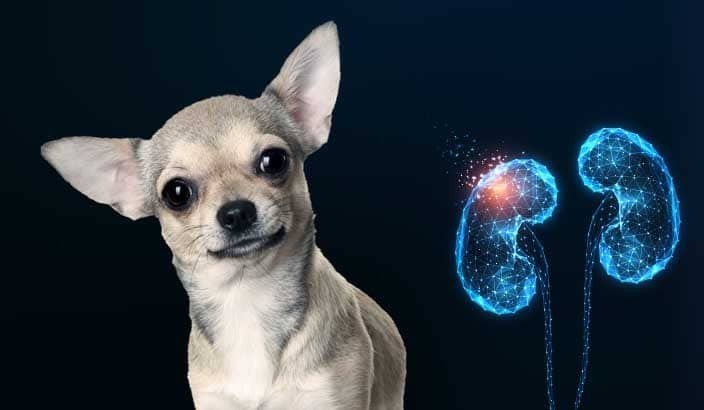
Kidney disease is one of the most common chronic conditions affecting senior cats and dogs — especially cats. The kidneys are responsible for filtering waste, balancing electrolytes, and regulating fluid levels. When they begin to fail, the body struggles to remove toxins efficiently, leading to dehydration, nausea, appetite loss, and increased thirst. Proper hydration becomes one of the most important aspects of managing kidney disease because it helps dilute toxins, support remaining kidney function, and improve overall comfort. Understanding how hydration works in pets with kidney disease empowers owners to make informed decisions about diet, water intake, and daily care.
1. How Kidney Disease Affects Hydration
Chronic kidney disease (CKD) changes how the body handles water.
Reduced Ability to Concentrate Urine
Healthy kidneys conserve water. Diseased kidneys cannot, leading to:
- Excessive urination
- Increased thirst
- Rapid fluid loss
Dehydration Develops Easily
Even with increased drinking, pets with CKD often remain mildly dehydrated.
Electrolyte Imbalances
Sodium, potassium, and phosphorus levels can fluctuate, affecting hydration and energy.
Toxin Buildup
Without enough water, toxins accumulate faster, worsening symptoms.
Hydration becomes both a symptom and a treatment focus.
2. Signs of Dehydration in Pets with Kidney Disease
Because CKD pets lose water rapidly, dehydration signs may appear frequently.
Watch for:
- Dry or sticky gums
- Lethargy or weakness
- Sunken eyes
- Poor appetite
- Constipation
- Vomiting
- Weight loss
- Strong‑smelling or dark urine
- Increased sleeping or hiding
If dehydration becomes severe, veterinary intervention is required.
3. Why Cats with Kidney Disease Need Extra Hydration Support
Cats are disproportionately affected by CKD and have unique hydration challenges:
- Naturally low thirst drive
- Preference for running water
- Sensitivity to water taste and bowl cleanliness
- Tendency to produce concentrated urine
- High risk of urinary crystals and blockages
Moisture‑rich diets and fountains are essential tools for managing feline kidney disease.
4. Hydration Challenges for Dogs with Kidney Disease
Dogs with CKD often drink more than cats, but still face hydration issues:
- Excessive urination leads to fluid loss
- Nausea reduces drinking and appetite
- Medications may increase thirst or urination
- Larger body size means higher water requirements
Hydration helps maintain energy, digestion, and toxin removal.
5. How Diet Supports Hydration in Pets with Kidney Disease
Diet is one of the most effective ways to increase hydration safely.
Wet Food Is Essential
Wet food contains 70–80% moisture, helping CKD pets stay hydrated without relying solely on drinking.
Prescription Kidney Diets
These diets are formulated to:
- Reduce phosphorus
- Lower sodium
- Provide controlled protein
- Support hydration
- Reduce kidney workload
Adding Water to Meals
Mixing water into wet or dry food increases moisture intake.
Low‑Sodium Broth
Encourages drinking and adds hydration without stressing the kidneys.
Avoid High‑Sodium Foods
Salt increases thirst and can worsen kidney strain.
Diet is a cornerstone of CKD management.
6. Hydration Strategies for Pets with Kidney Disease
These practical steps help CKD pets stay hydrated daily.
Use Pet Fountains
Running water encourages drinking and keeps the water oxygenated.
Offer Multiple Water Stations
Place bowls in quiet, accessible areas.
Use Wide, Shallow Bowls
Reduces whisker fatigue in cats and helps arthritic pets drink comfortably.
Feed Moisture‑Rich Meals
Wet food, rehydrated freeze‑dried diets, or raw diets support hydration.
Add Water Gradually
Increase moisture slowly to avoid digestive upset.
Monitor Urine Output
Pale yellow urine indicates good hydration.
Keep Water Fresh and Clean
CKD pets are sensitive to taste and smell.
Consider Subcutaneous Fluids (Under Vet Guidance)
For advanced CKD, vets may recommend at‑home fluid therapy.
7. When to Consider Veterinary Hydration Support
Some CKD pets need more than dietary hydration.
Seek veterinary advice if your pet:
- Shows persistent dehydration
- Has vomiting or diarrhea
- Stops eating or drinking
- Has sudden changes in urination
- Appears weak or disoriented
- Loses weight rapidly
Veterinarians may recommend:
- Subcutaneous fluids
- Electrolyte monitoring
- Adjustments to the kidney diet
- Anti‑nausea medications
- Appetite stimulants
Early intervention improves quality of life.
8. Hydration Mistakes to Avoid in CKD Pets
Avoid these common pitfalls:
- Relying on dry food alone
- Adding too much water too quickly
- Using high‑sodium broths
- Ignoring changes in thirst or urination
- Assuming drinking more means being hydrated
- Waiting too long to seek veterinary care
CKD pets require consistent, thoughtful hydration support.
Final Thoughts
Hydration is one of the most important aspects of managing kidney disease in cats and dogs. Because CKD pets lose water rapidly and struggle to maintain fluid balance, moisture‑rich diets, accessible water sources, and proactive hydration strategies are essential. By understanding how kidney disease affects hydration — and by supporting your pet with the right diet and daily care — you can help improve their comfort, slow disease progression, and enhance their quality of life.
Leave a Reply