
Wet vs Dry Food Hydration: How Diet Impacts Water Intake
Nutrition & Hydration Science Guide — Pet-HydrateIQ
How Diet Influences Your Pet’s Hydration
Hydration isn’t just about how much water your pet drinks — it’s also about how much water they consume through food. Cats and dogs get a significant portion of their daily moisture from their diet, and the type of food they eat can dramatically affect their hydration levels. Wet food, dry food, raw diets, and mixed feeding all influence how much water your pet needs to drink to stay healthy. Understanding the differences between wet and dry food hydration helps owners make informed choices that support kidney health, urinary function, digestion, and overall well‑being.
1. Moisture Content: Wet vs Dry Food
The biggest difference between wet and dry food is moisture content.
Wet Food (Canned or Pouch)
- 70–80% moisture
- Provides hydration naturally
- Reduces the need for additional drinking
- Supports urinary and kidney health
- Ideal for pets with low thirst drive (especially cats)
Dry Food (Kibble)
- 8–12% moisture
- Requires pets to drink significantly more water
- Can contribute to chronic dehydration in low‑drinking pets
- Convenient but not hydration‑friendly on its own
This moisture gap is the core reason diet plays such a major role in hydration.
2. Why Cats Benefit More From Moisture‑Rich Diets
Cats evolved as desert hunters and have a naturally low thirst drive. They often fail to drink enough water to compensate for a dry‑food‑only diet.
Cats on dry food may experience:
- Concentrated urine
- Higher risk of urinary crystals
- Increased kidney workload
- Chronic mild dehydration
Cats on wet food typically show:
- Better hydration
- Improved urinary health
- Lower risk of kidney strain
- More consistent water intake
For cats, moisture in food is often more important than water in the bowl.
3. How Dogs Respond to Wet vs Dry Food
Dogs generally drink more readily than cats, but diet still affects hydration.
Dogs on dry food may:
- Need more frequent access to water
- Experience dehydration during hot weather or exercise
- Produce more concentrated urine
Dogs on wet or mixed diets often:
- Stay hydrated more easily
- Have improved digestion
- Show better appetite and energy
While dogs tolerate dry food better than cats, moisture‑rich diets still offer hydration benefits.
4. Hydration Benefits of Wet Food
Wet food supports hydration in several ways:
- Provides water directly through meals
- Reduces kidney workload
- Dilutes urine, lowering risk of crystals
- Supports digestion
- Encourages picky eaters
- Helps senior pets who drink less
For pets with urinary issues, wet food is often recommended by veterinarians.
5. Hydration Challenges of Dry Food
Dry food is convenient, affordable, and shelf‑stable — but it comes with hydration drawbacks.
Dry food challenges:
- Low moisture content
- Pets must drink more water to compensate
- Some pets don’t drink enough
- Can contribute to chronic dehydration
- May worsen urinary issues in sensitive pets
Dry food isn’t harmful on its own, but it requires hydration support.
6. Mixed Feeding: The Best of Both Worlds
Many owners choose a mixed feeding approach, combining wet and dry food.
Benefits of mixed feeding:
- Adds moisture to meals
- Provides texture variety
- Supports hydration without eliminating kibble
- Helps maintain a healthy weight
- Encourages picky eaters
Even adding a small amount of wet food can significantly improve hydration.
7. How to Increase Hydration on Any Diet
Regardless of what your pet eats, you can boost hydration with simple strategies.
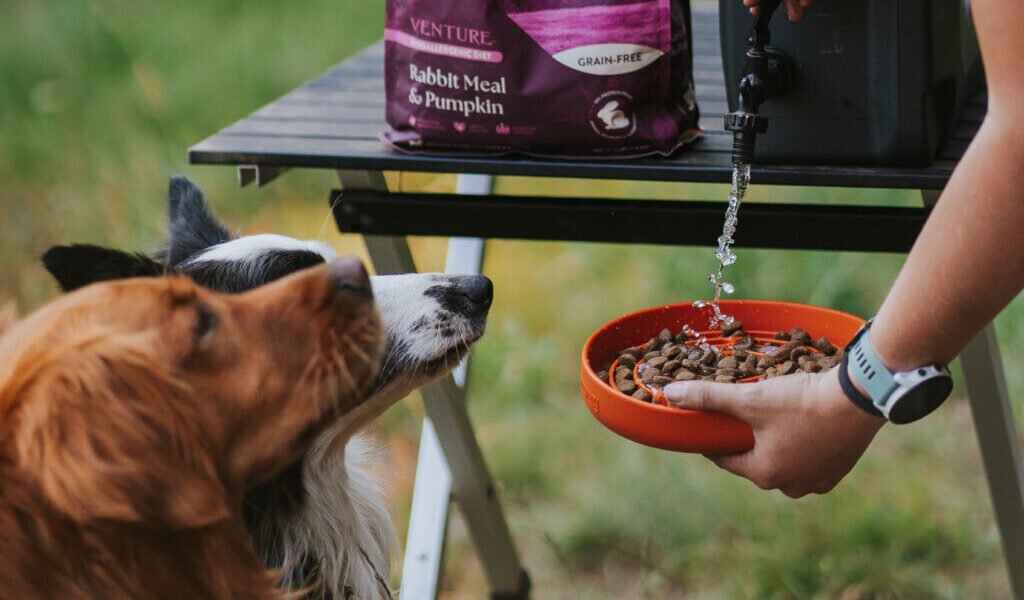
- Add water or broth to meals
- Offer wet food at least once daily
- Use pet fountains to encourage drinking
- Provide multiple water stations
- Choose high‑moisture treats
- Monitor urine color (pale yellow is ideal)
- Keep water bowls clean and appealing
Small changes can make a big difference.
8. When to Choose Wet Food Over Dry Food
Wet food is especially beneficial for:
- Senior pets
- Pets with kidney disease
- Pets with urinary crystals or UTIs
- Cats with low thirst drive
- Overweight pets (wet food is lower calorie per gram)
- Pets recovering from illness
- Pets in hot climates
In these cases, moisture‑rich diets support hydration and overall health.
Final Thoughts
Wet and dry food both have their place in pet nutrition, but they affect hydration very differently. Wet food provides natural moisture that supports kidney and urinary health, while dry food requires pets to drink more water to stay hydrated. By understanding the hydration impact of each diet — and using mixed feeding or moisture‑boosting strategies — you can help your pet maintain healthy hydration levels year‑round.
Leave a Reply