
How Hydration Affects Kidney Health: What Owners Should Know
Hydration Science Guide — Pet-HydrateIQ
Why Kidney Health Depends on Proper Hydration
The kidneys play a vital role in maintaining your pet’s overall health. They filter waste from the bloodstream, regulate electrolytes, balance fluids, and support blood pressure. When pets don’t drink enough water, the kidneys must work harder to concentrate urine and remove toxins. Over time, this strain can contribute to urinary issues, kidney inflammation, and chronic kidney disease (CKD) — especially in cats, who naturally produce more concentrated urine. Proper hydration helps the kidneys function efficiently, reduces the risk of urinary crystals, and supports long‑term wellness. Understanding how hydration affects kidney health empowers owners to take proactive steps to protect their pets.
1. Hydration and Kidney Function
Water is essential for the kidneys to perform their filtration duties.
- Supports filtration: Adequate hydration ensures blood flows smoothly through the kidneys, allowing them to filter waste effectively.
- Prevents urine concentration: Diluted urine reduces the risk of crystal formation and urinary blockages.
- Maintains electrolyte balance: Proper hydration keeps sodium, potassium, and other minerals stable.
- Reduces toxin buildup: Water helps flush metabolic waste before it becomes harmful.
- Supports blood pressure regulation: Dehydration can cause blood pressure fluctuations that strain the kidneys.
Healthy hydration keeps the kidneys functioning efficiently and reduces long‑term stress.
2. Risks of Chronic Dehydration
Chronic dehydration is one of the most common contributors to kidney problems in pets, especially cats.
- Urinary crystals and stones: Concentrated urine increases the risk of mineral buildup.
- Urinary tract infections (UTIs): Dehydration reduces urine flow, allowing bacteria to multiply.
- Kidney inflammation: Reduced fluid intake can irritate kidney tissue.
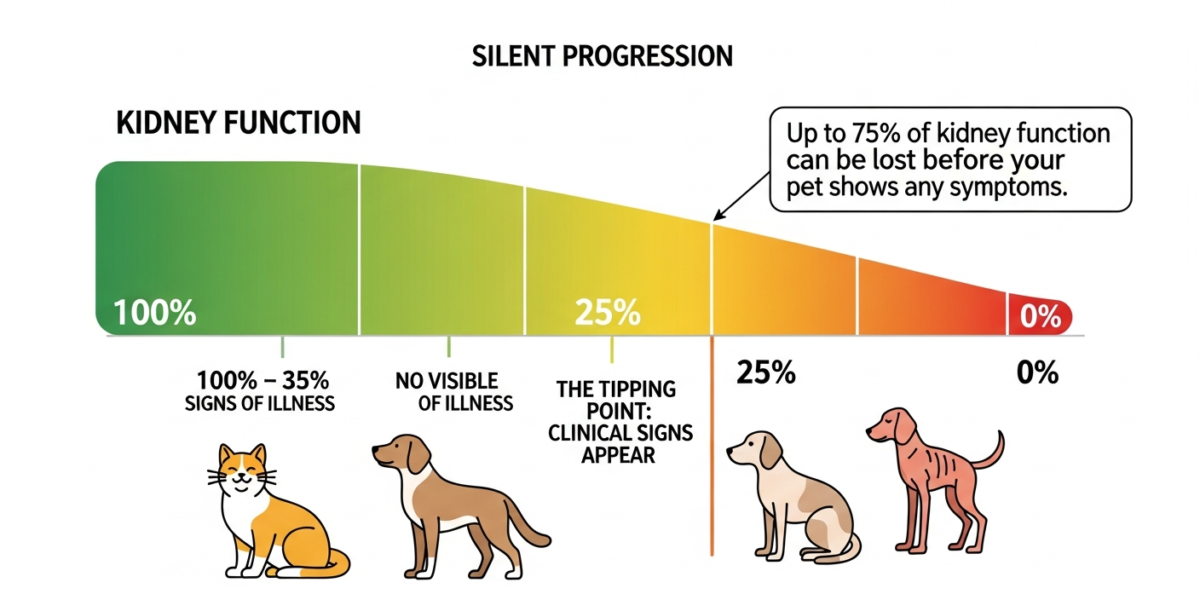
- Progression of chronic kidney disease (CKD): Dehydration accelerates kidney decline.
- Reduced appetite and energy: Dehydration affects digestion and overall vitality.
Cats are particularly vulnerable because of their low thirst drive and tendency to produce concentrated urine.
3. Early Signs of Kidney Stress
Kidney issues often develop slowly, making early detection crucial.
- Increased thirst or urination
- Weight loss
- Vomiting or nausea
- Lethargy or reduced activity
- Poor coat condition
- Strong‑smelling or dark urine
- Dehydration symptoms such as dry gums or skin tenting
If you notice these signs, especially in older pets, consult a veterinarian promptly.
4. How Hydration Protects the Kidneys
Proper hydration supports kidney health in several ways.
- Dilutes urine, reducing crystal formation
- Flushes bacteria, lowering UTI risk
- Supports blood flow to the kidneys
- Improves nutrient transport throughout the body
- Reduces workload on compromised kidneys
- Helps regulate body temperature, preventing heat‑related kidney stress
Hydration is one of the simplest and most effective ways to support kidney function.
5. Diet and Kidney Health
Diet plays a major role in hydration and kidney function.
- Wet food: Contains 70–80% moisture and supports hydration naturally.
- Dry food: Only ~10% moisture; pets must drink significantly more water.
- High‑protein diets: Increase metabolic waste, requiring more water for filtration.
- Low‑sodium diets: Recommended for pets with kidney issues.
- Prescription kidney diets: Designed to reduce kidney workload and support hydration.
For cats, especially, adding moisture to meals can significantly reduce kidney strain.
6. Environmental and Lifestyle Factors
Your pet’s environment influences hydration and kidney health.
- Indoor heating reduces humidity and increases water loss.
- Hot weather increases panting and fluid needs.
- Stress or anxiety may reduce drinking.
- Multi‑pet homes may require multiple water stations to reduce competition.
- Bowl placement affects drinking behavior; quiet, accessible locations work best.
Small environmental adjustments can make a big difference.
7. How to Support Kidney Health Through Hydration
- Offer fresh water in multiple locations
- Use pet fountains to encourage drinking
- Add wet food or water to meals
- Keep bowls clean and odor‑free
- Provide low‑sodium broth as an occasional hydration boost
- Monitor urine color and litter box habits
- Follow veterinary hydration plans for pets with CKD
- Ensure easy access to water for senior pets
These habits help maintain consistent hydration and kidney support.
8. When to See a Veterinarian
Seek veterinary care if your pet shows:
- Persistent vomiting or diarrhea
- Sudden changes in thirst or urination
- Blood in urine
- Straining in the litter box
- Severe lethargy
- Loss of appetite
- Signs of dehydration
Early intervention can slow or prevent kidney damage.
Final Thoughts
Hydration is one of the most important factors in maintaining kidney health. By ensuring your pet drinks enough water each day — and by offering appealing, accessible water sources — you help protect their kidneys, reduce urinary problems, and support long‑term wellness. Small daily hydration habits can make a significant difference in your pet’s overall health and longevity.
Leave a Reply